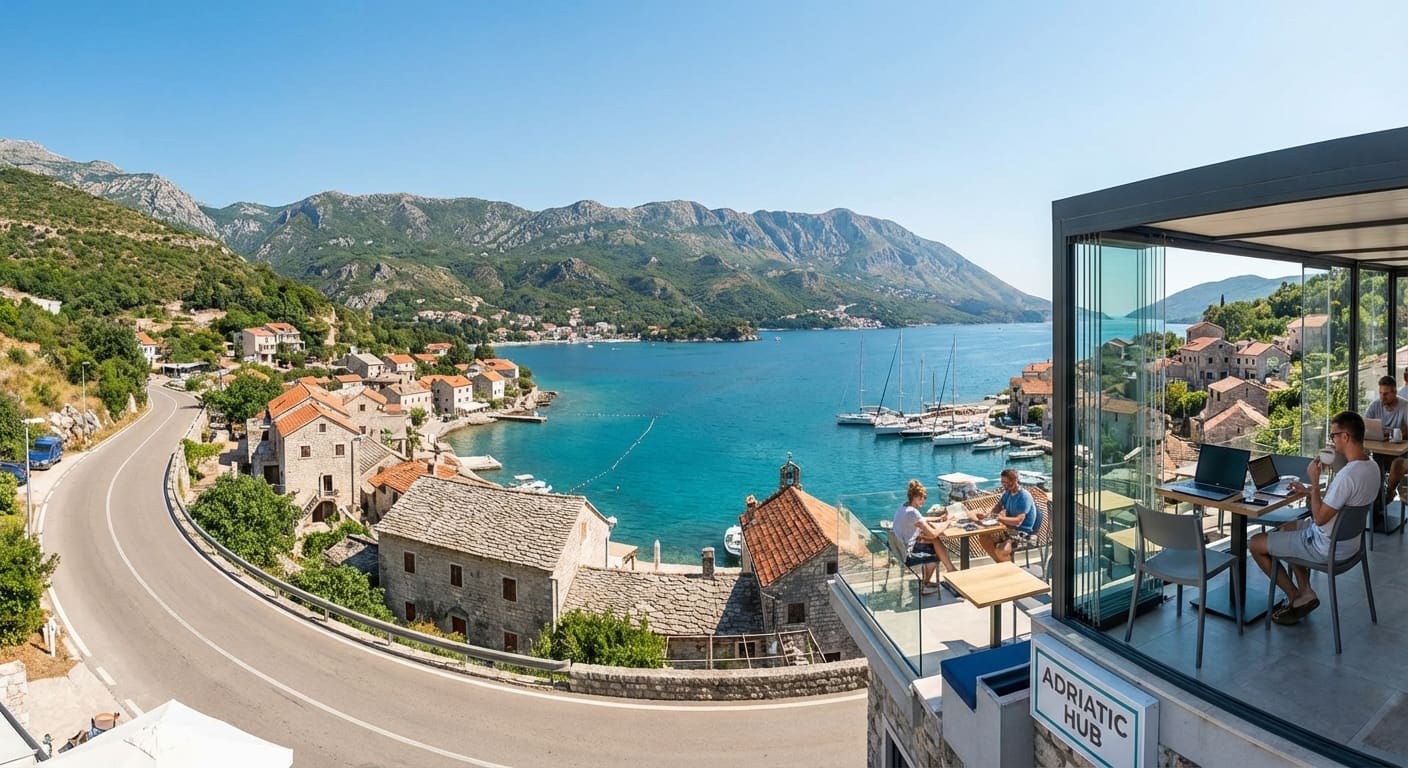
Renowned for its dramatic Adriatic coastline, medieval towns, and rugged mountains, Montenegro is becoming a highly sought-after destination for expats, retirees, and digital nomads. This guide synthesizes essential information to help you navigate the practicalities of moving to and living in this Balkan gem.
📋 Residency & Visa Requirements
Understanding how to legally stay is your first critical step. Most non-EU nationals can enter visa-free for up to 90 days. For longer stays, you must apply for a temporary residence permit(boravak). The process is known to be relatively straightforward, with several common pathways.
Common Pathways to Residency
-
Real Estate Purchase: The most popular and recommended route. You can obtain a one-year, renewable residence permit by purchasing any residential or commercial property, with no minimum investment value. The permit is tied to property ownership.
-
Employment or Business: Securing a job with a Montenegrin company or registering your own legal entity (requiring an office and residential space) can form the basis of an application.
-
Other Grounds: Permits are also available for family reunification, study, and specialized work.
Key Application Requirements
Regardless of the pathway, you will typically need to provide:
-
A valid passport.
-
Proof of health insurance for your stay.
-
A clean criminal record certificate from your home country.
-
Proof of sufficient financial means (e.g., a bank statement).
-
Proof of arranged accommodation in Montenegro.
-
Completed application forms and payment of fees.
Tip: Hiring a local real estate attorney is highly advised to navigate property purchase, contracts, and residency paperwork smoothly.
From Temporary to Permanent Residency
After holding a temporary residence permit legally and continuously for five years, you become eligible to apply for permanent residency, which is valid for five years and renewable.
💰 Cost of Living: A Data-Driven Breakdown
Montenegro offers a significantly lower cost of living compared to Western Europe and North America. According to recent data, the overall cost is about 43% lower than in Hong Kong, with rents averaging 73% lower.
The table below provides a snapshot of monthly expenses:
Monthly Totals (Excluding Rent):
🏡 Where to Live: Expat Hotspots
-
Tivat: Known for luxury living around Porto Montenegro marina. It has an international school, upscale amenities, and the country's only coastal airport.
-
Kotor: A UNESCO World Heritage site with a stunning fortified Old Town. Life here is historic and bustling, especially in the tourist season.
-
Budva: Offers vibrant nightlife, beautiful beaches, and a mix of modern and historic areas. Its suburbs provide quieter family living.
-
Podgorica: The capital provides a balanced urban lifestyle with a well-established expat community, more job opportunities, and easy access to both coast and mountains.
-
The Continental North: Regions like Durmitor National Park offer dramatic natural beauty, a tranquil pace, and lower costs, ideal for nature enthusiasts.
🧑💼 Working & Making a Living
-
Job Market: Opportunities are primarily in tourism, hospitality, real estate, and services. Knowledge of local languages (Montenegrin/Serbian) is a major asset outside international firms.
-
Remote Work: Montenegro is a popular hub for digital nomads thanks to its affordable living, good internet, and beautiful settings. Ensure you secure the appropriate residency permit.
-
Starting a Business: The process is straightforward, with low corporate costs and a 9% flat income tax rate—one of the lowest in Europe. The government is keen to attract foreign investment.
🏥 Healthcare, Education & Daily Life
-
Healthcare: The public system is accessible to residents, but many expats opt for private healthcare for faster service and English-speaking doctors, available in major towns. Comprehensive international health insurance is essential.
-
Education: Expat families often choose international schools such as Knightsbridge in Tivat or QSI in Podgorica, which follow international curricula. Annual tuition can range from €5,000 to €15,000. Local public schools are free but teach in Montenegrin.
-
Culture & Integration: Montenegrins value hospitality and personal networks. Learning basic phrases shows respect and aids integration. The pace of life is slower; patience is beneficial when dealing with bureaucracy.
-
Safety: Montenegro is generally very safe with a low crime rate, making it comfortable for walking and daily life.
Key Relocation Checklist
-
Secure Residency: Choose your pathway (e.g., property purchase) and gather documents before your 90-day visa-free stay ends.
-
Arrange Finances: Open a local bank account. The euro (€) is the official currency.
-
Find a Home: Use local real estate agents. Consider renting first to explore different areas.
-
Register & Insure: Register with local authorities and secure comprehensive health insurance.
-
Connect: Set up utilities (internet, electricity) and a local mobile phone plan.
-
Explore & Integrate: Join local expat groups, start language lessons, and embrace the outdoor lifestyle.
In summary, moving to Montenegro requires planning around its residency procedures, but you are rewarded with a high quality of life at an affordable cost, set against a backdrop of exceptional natural beauty. For deeper cultural insights, resources like the Montenegro Expat Guide by Milo Nox can be valuable.